Saturday, June 24, 2006

Austin (I)

Operation Keep You Safe

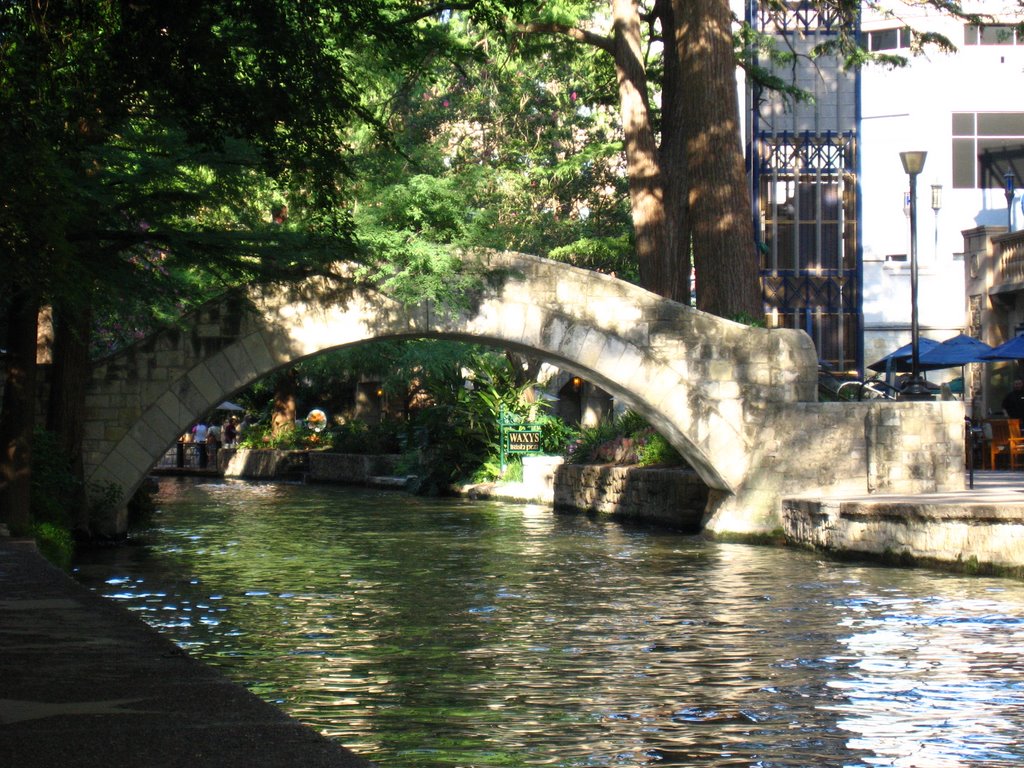
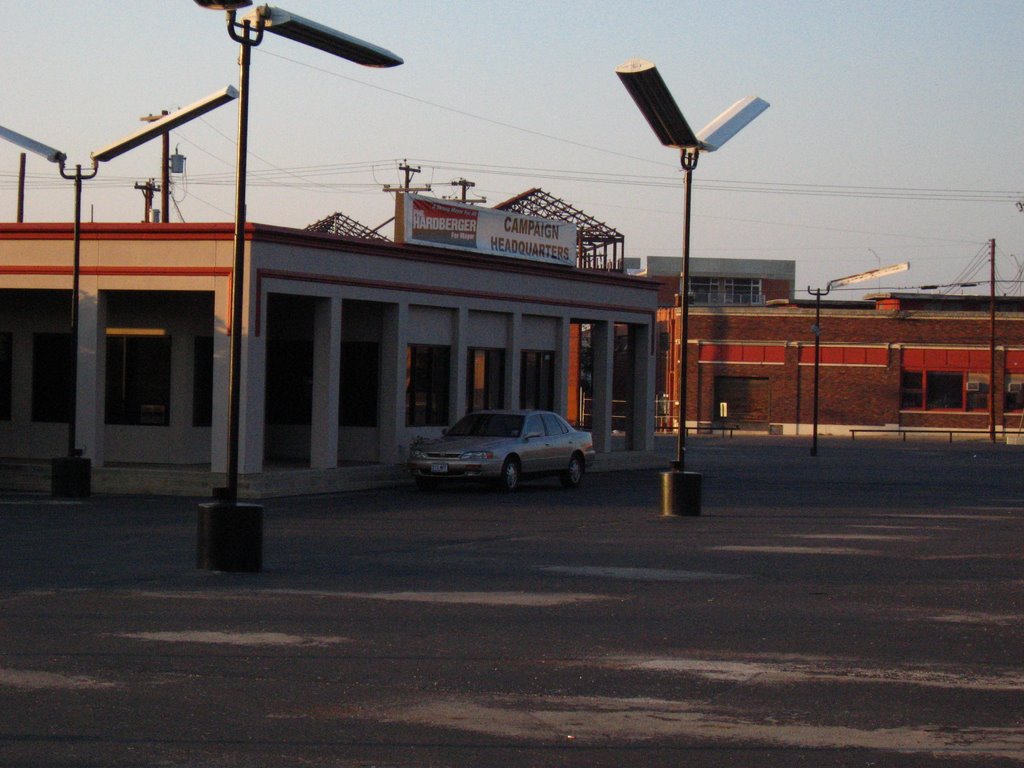
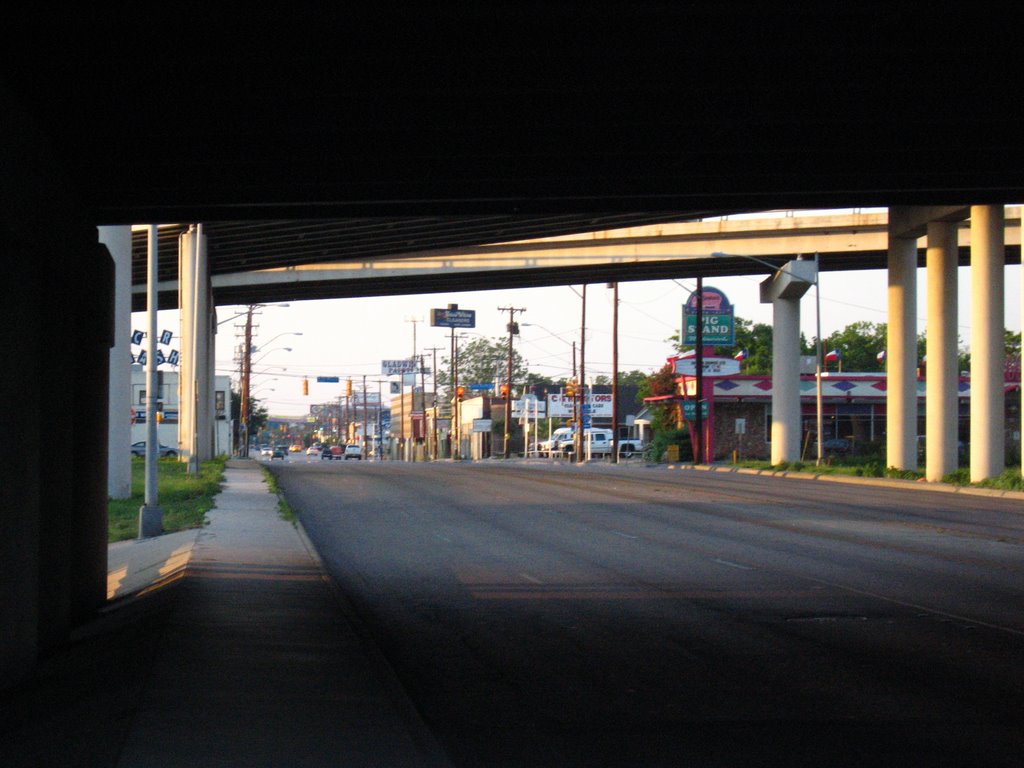
Violent crime is on the increase in South Central Austin. The safety of the public is the Austin Police Department's number one priority. To keep individuals from being a victim of robbery or aggravated assault, we are launching Operation "Keep You Safe."

The East Riverside area is home to a large concentration of bars establishments that sell alcoholic beverages. As a result, violent criminals have been drawn to the area to prey on intoxicated patrons after they leave these establishments.

To combat violent crime, a zero tolerance approach for public intoxication for the East Riverside area will be taken by the APD. By arresting intoxicated individuals, APD hopes to significantly reduce the opportunity for violent crime.

APD hopes that responsible drinkers will rely on moderate consumption of alcohol, designated drivers, or public transportation to arrive home safely. Information on outreach programs for substance or alcohol abuse problems can be found by calling the hotline number, (512) 472-HELP.

Thursday, June 22, 2006

Fredericksburg, Texas

The most famous son of Fredericksburg, Texas is Chester W. Nimitz, the hero of the Pacific theater in World War II, and the United States' last 5-star admiral. The Pioneer Museum has a small display on Nimitz; Nimitz's house is now a museum; and Fredericksburg is home to the National Museum of the Pacific War.

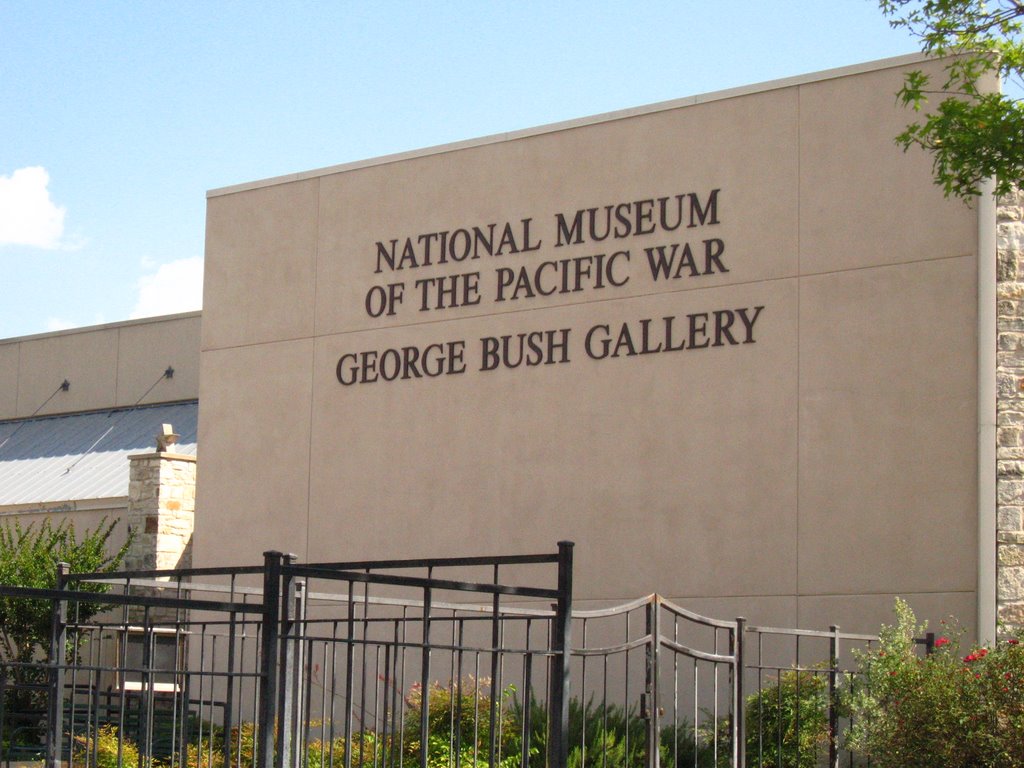
But by signage alone, you'd never know the the Nimitz Foundation runs the museum. Indeed, you'd never know that the museum is about Nimitz at all, because everywhere in Fredericksburg the signs read

National Museum of the Pacific War
George Bush Gallery

"Oh no, he's not from here," the woman in the Fredericksburg Visitor Center tells me of Bush. She's so earnest about telling me what a hero he was that I don't have the heart to point out that Fredericksburg already has a bigger, more important, and more interesting war hero of its own. When I ask the Museum security guard why there is so much emphasis on Bush, she brushes me off.

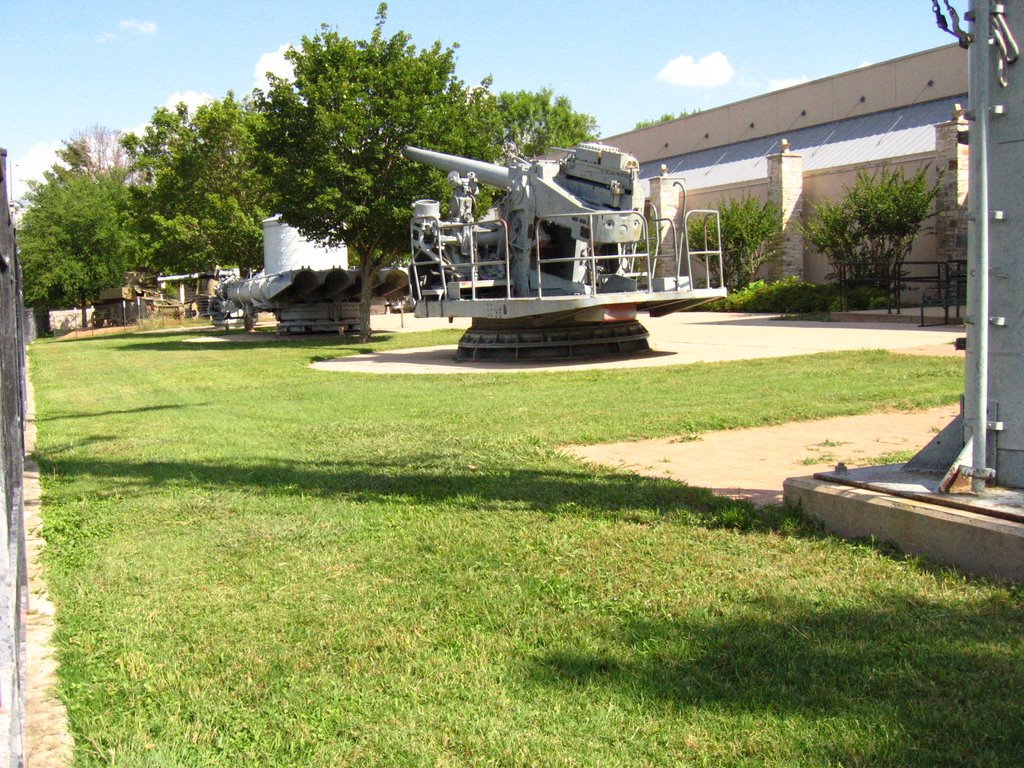
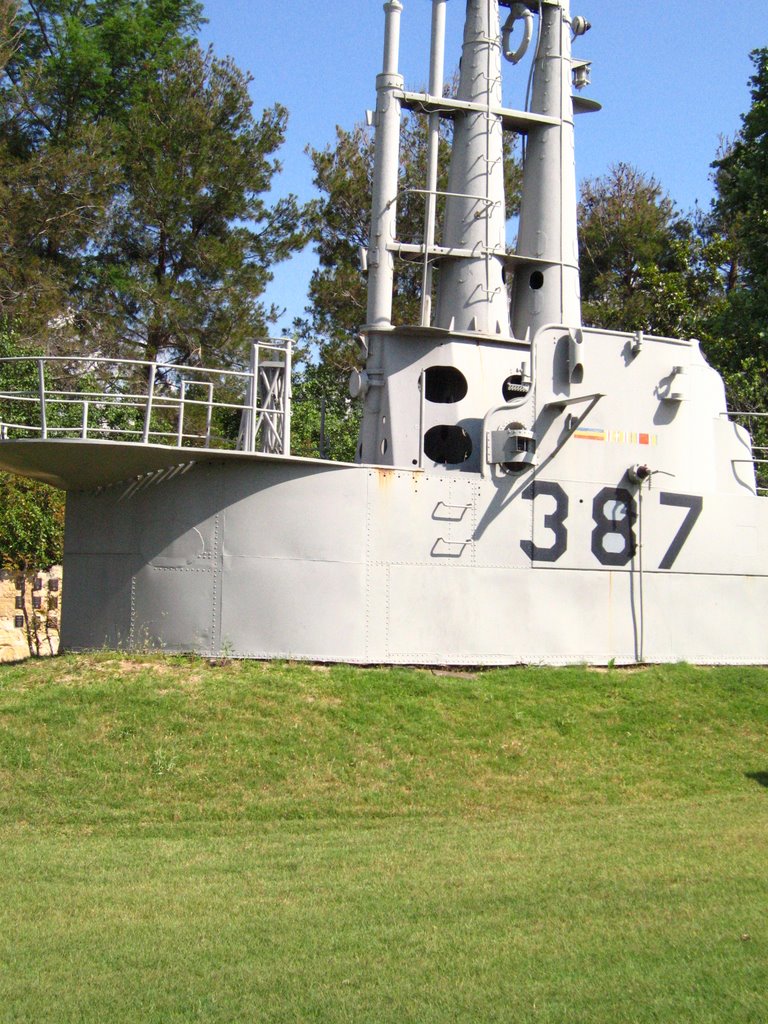
The only place that actually reads Nimitz Museum is the museum gift shop, on Main Street. The "National Museum" is the entire collection and gardens; the museum itself is the Chester Nimitz museum.

Or was, since it's now closed, and only the George Bush Gallery, and the gardens, are open.


Wednesday, June 21, 2006

San Antonio

At the Alamo I forget where I am and ask one of the "Alamo Rangers"—essentially a glorified security guard—why he has a handgun. He's perplexed by the question. In California, a gun generally means you can arrest me or write me a ticket. Not in Texas. In Texas, a gun means you went to the store and bought one (or someone went out and bought one for you). Sitting outside the Alamo as it closes and all the visitors file out, I realize that a significant number of shoulder bags and bulging pockets carry machines made for effectively killing a person.

Gun culture runs deep, and people here tend to glorify it. Texas celebrates its outlaws and extrajudicial heritage like no place I know of. Every museum has an exhibit on the lawmen and outlaws of the old west, and often there are exhibits on men with little or no connection to Texas, like Billy the Kid. In the Buckhorn Saloon and Museum, among the Texas history wax sculptures, are sculptures of tens of Texas killers, with labels that read:

John Wesley Hardin
Killed more than 40 men

Billy the Kid
aka Henry Antrim
Killed 21 men

California has an outlaw past as well, with bandits like Black Bart and Joaquin Murrieta, but we tend not to celebrate it. The outlaws are a sidebar in the 4th grade history book; they are not glorious reminders of the good old days, and they are not, even Murrieta, heroes.

Inside the walls of the Alamo, I am struck by how pointless the whole battle of the Alamo was. While San Antonio de Bexar was certainly a strategic location, and the Texian rebels were going to engage Santa Anna at some point, the siege and battle at the Alamo didn't serve any strategic purpose. There were about 200 Texians at the Alamo; Santa Anna had 6,000 Mexicans. Instead, the Alamo defenders—called "heroes" everywhere at the site—died at the Alamo for no reason except their own stubbornness, a stubbornness to prove themselves, to prove that they were men unafraid of death, a stubbornness that shows to what extent they value a life, any life, including their own.


Tuesday, June 20, 2006

Ozona, Texas (I)

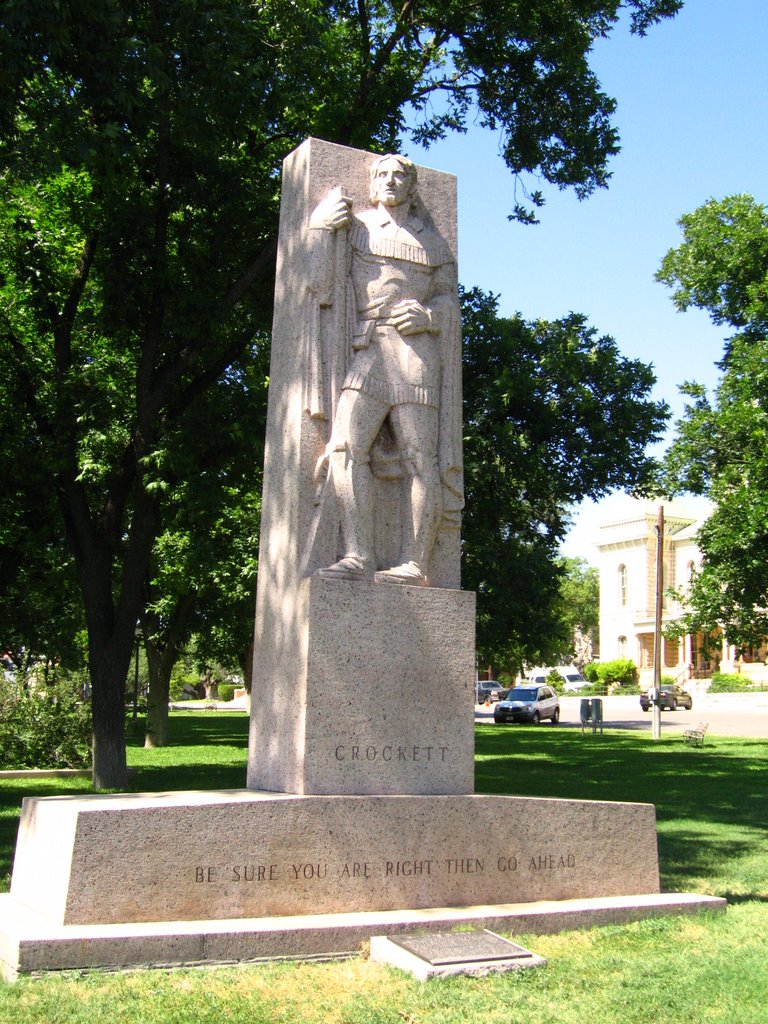
Roberta, the woman who runs the Crockett County Museum, is a very patient person, judging from my plethora of questions regarding Davy Crockett, former Senator from Tennessee and King of the Wild Frontiertm, who is not even in the Crockett County Museum. This is because Davy Crockett had nothing to do with Crockett County.

—Maybe he camped here once.

—Not as far as we know.

—Nothing?

—No connection whatsoever.

However, Roberta tells me, the Davy Crockett Memorial across the street does have an interesting story. The statue was originally commissioned by the town of Crockett, near Nacogdoches and 400 miles from Ozona and Crockett County. Unfortunately when the artist delivered the statue, Crockett, it turned out, didn't have the money to pay him.

It's not a bad work, and so the fathers of Ozona offered a better-than-nothing price. Being better than nothing, the artist accepted, and soon Ozona became the proud home of a brown highway sign and a Davy Crockett Monument.

Ozona, Texas (II)

Fort Lancaster

by Alex Herring

Because there was no protection on the road from Texas to California, it was easy for natives to attack the travelers. To solve this problem camp Lancaster was upgraded to Fort Lancaster in 1856. Fort Lancaster was located in the western part of Texas right below Live Oak Creek. Not many soldiers were stationed there until 1857. 1857 was when Fort Lancaster was really busy because there were many battles there. By the time it was 1860 things weren't looking so good at Fort Lancaster and by the time of the Civil war, the fort was abandoned. Today you can see the fort in ruins.

Monday, June 19, 2006

Fort Stockton, Texas

A

s I walk across East Dickenson to the Mi Casita restaurant—which I have chosen because its parking lot has pickup trucks blocking in other pickup trucks, next to still more pickup trucks—a junk dealer looks up at me from his plastic lawn chair. He doesn't look happy to see me. He's missing a tooth, and his "shop" is a rolling door with an unsorted blob of used consumer items oozing out.

"What happened to your car?" he sneers.

Inside the restaurant, I wait in the "foyer" between the inner and outer doors, until there are no more regulars left to sit. The head waitress is back from Odessa, where she goes to college, and lots of "Where ya been?"s echo across the dining room. She knows most everyone by name. Periodically, the other waitress brings a small paper cup of rainbow sherbet, for free, to patrons who look like they've finished.

The Mi Casita menu lists both dishes and their ingredients, and the chile relleno is one of the two dishes without meat. It comes reasonably quickly; and when it does, next to the spot of rice and the spot of beans is a pyramid of ground beef. The chile is underneath.

I scrape the meat away, eat, and tell the waitress that everything is really excellent.

Sunday, June 18, 2006

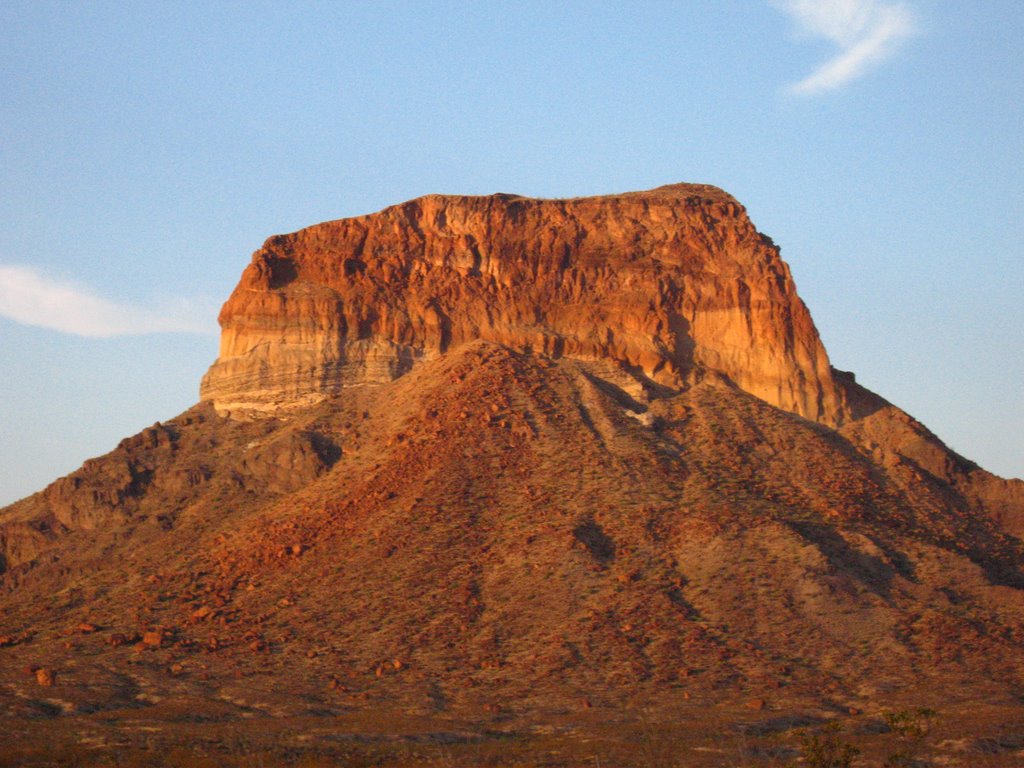
Big Bend National Park


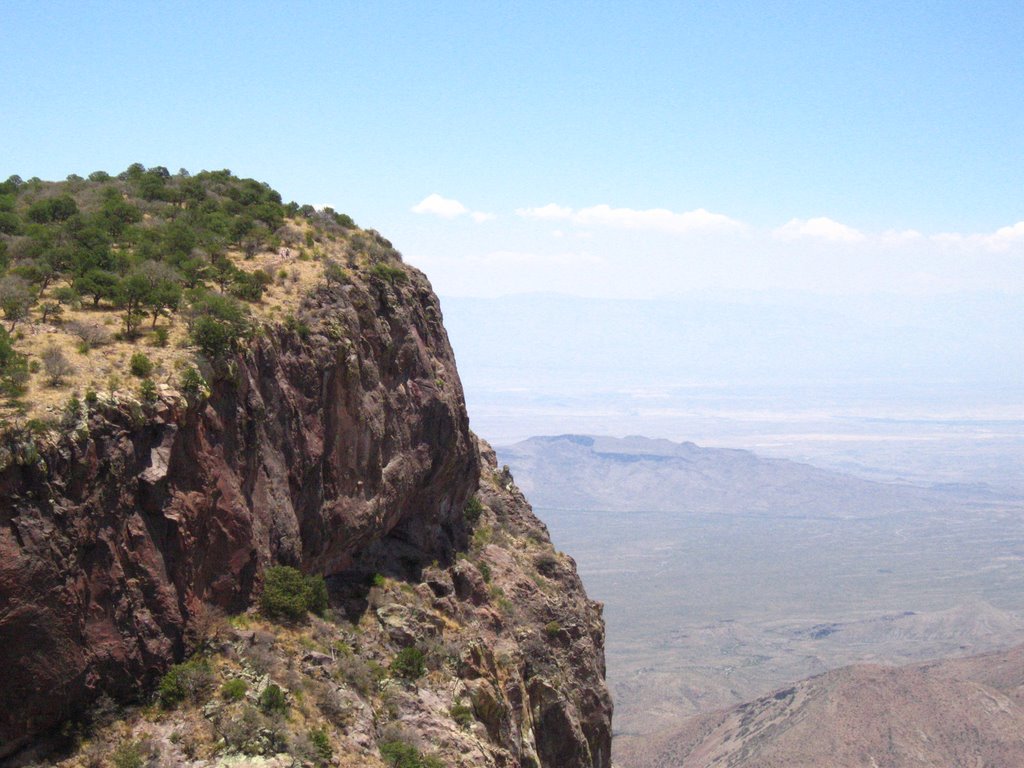
(For scale, look at the picture above the picture of me very closely. There are two tiny people on the cliff.)

Saturday, June 17, 2006

Marfa, Texas

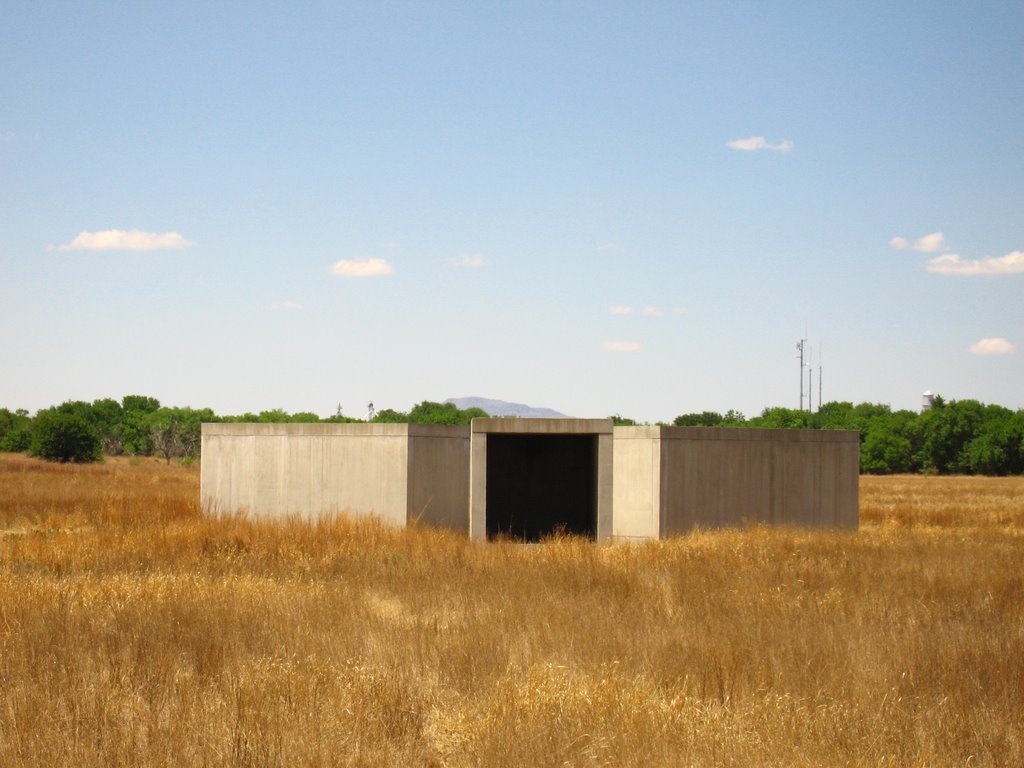
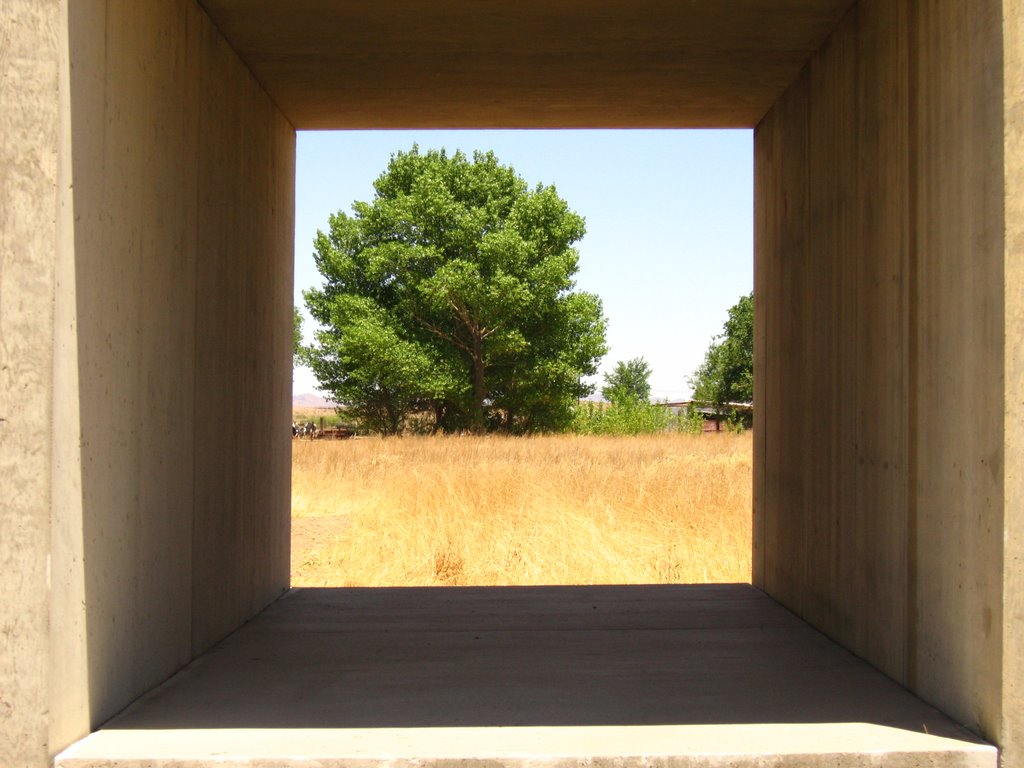
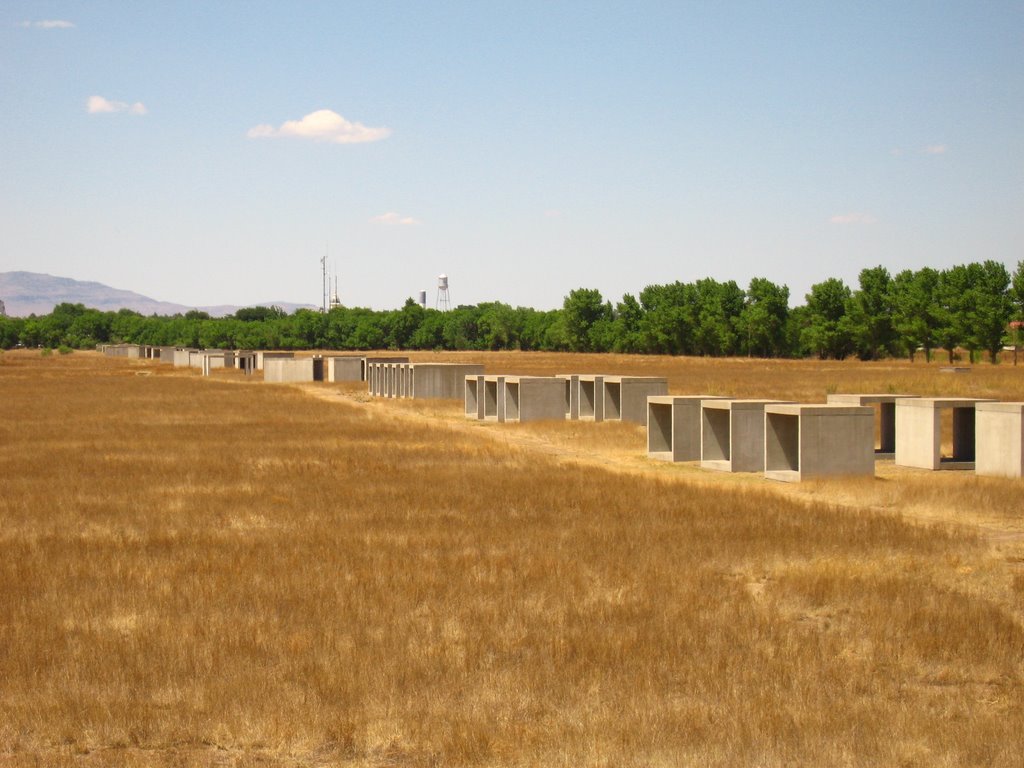
Donald Judd, the New York sculptor, fell in love with Marfa, and it is his contributions that make the town more worth a stop than Carmel or Bisbee or any of a hundred other art towns. It's everything that New York is not: open, lonesome, starry. In summer a sea of yellow grass encircles the town. There's only one stop light, and the library is open Monday to Friday, 9 to 5. Nothing gets delivered on the weekends.

Judd also relocated his children, Flavin and Rainer, to Marfa. It'd difficult to parse this decision, to decide whether it was selfish. (Judd ex-wife, Julie Finch, remained in New York City.) There's nothing to do in Marfa. Pecos is 125 miles away; El Paso 200; San Antonio about 400. Moving the children away changes who they are, takes them from a wealth of influences to a place with very few.

For what it's worth, in a recent article in the New York Times, the Flavin Judd calls New York their childhood home, and both Judd children are on the Board of Directors of the Judd Foundation.

Judd's house in Marfa still contains all of his books, even 12 years after his death. Among these is the full collection of the Loeb Classical Library, hundreds of volumes of Greek and Latin texts, which Judd purchased, the guide reports, off a television commercial. Judd knew no Greek or Latin—no foreign languages of any kind, in fact. He liked the way the books looked.

On the door of Flavin's room, there's a decal for the Marfa High School Shorthorns foorball team. It seems incongruous that a son of Donald Judd would play such an dirty and plebian sport. It seems the type of thing that Judd as a father would discourage.

From the son's perspective, however, it makes perfect sense. It's social, something to be proud of (the pizza parlor keeps yearly photos of the team on the wall), a way to make a life in Marfa.


Friday, June 16, 2006

Pecos, Texas

Money Reward


For DEAD Bank Robbers

A cash reward will be paid for each Bank Robber legally killed while Robbing this bank


The Texas Bankers Association, a'corporation, offers a standing reward for each bank robber legally killed while robbing and holding up a reward subscribing member bank in Texas with firearms during the daytime. Limits of the place and time of such killing are: in the banking house, or as the robbers and holdups leave the bank, while the robbery and holdup threats are being committed within the bank; and as they flee from the bank with the property taken, and are resisting legal pursuit and arrest, within five miles of the bank robbed and within one hour after the robbery and holdup.

  • The amount of the reward for each dead robber will be the total collected from subscribing member banks at $5 per subscriber, but the total amount, in any event, shall not exceed $5,000.00.
  • This reward does not apply to night attacks on Texas banks.
  • The Association will not give one cent for live bank robbers. They are rarely identified, more rarely convicted, and most rarely stay in the penitentiary when sent there--all of which operations are troublesome, burdensome, and costly to our government.
  • In order to protect the lives of people in such banks and to protect the property of such banks, the Association is prepared to pay for any number of such robbers and holdups so killed, while they are robbing and holding up its reward subscribing member banks with firearms in the daytime.
  • It is expressly provided that only the Texas Bankers Association shall determine whether or not payment of this reward shall be made hereunder, and to whom (if anyone) such payment shall be made, and such determination and judgement final, conclusive and not reviewable.
  • This reward is effective January 15th, 1933, and all other rewards, offers and statements are cancelled and superseded hereby.


    THE TEXAS BANKERS ASSOCIATION

  • Thursday, June 15, 2006

    Orla, Texas

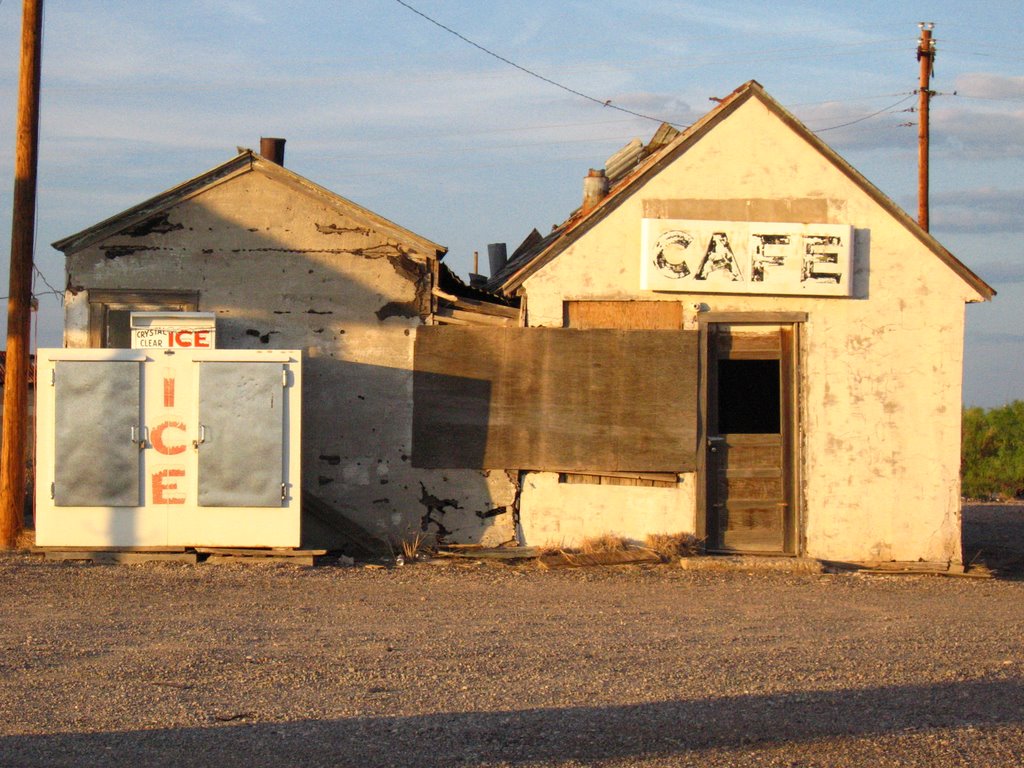
    A couple I met at Brantley Lake State Park in New Mexico prepared me for Orla. "It's like a ghost town," one said. "The only thing left is the gas station."

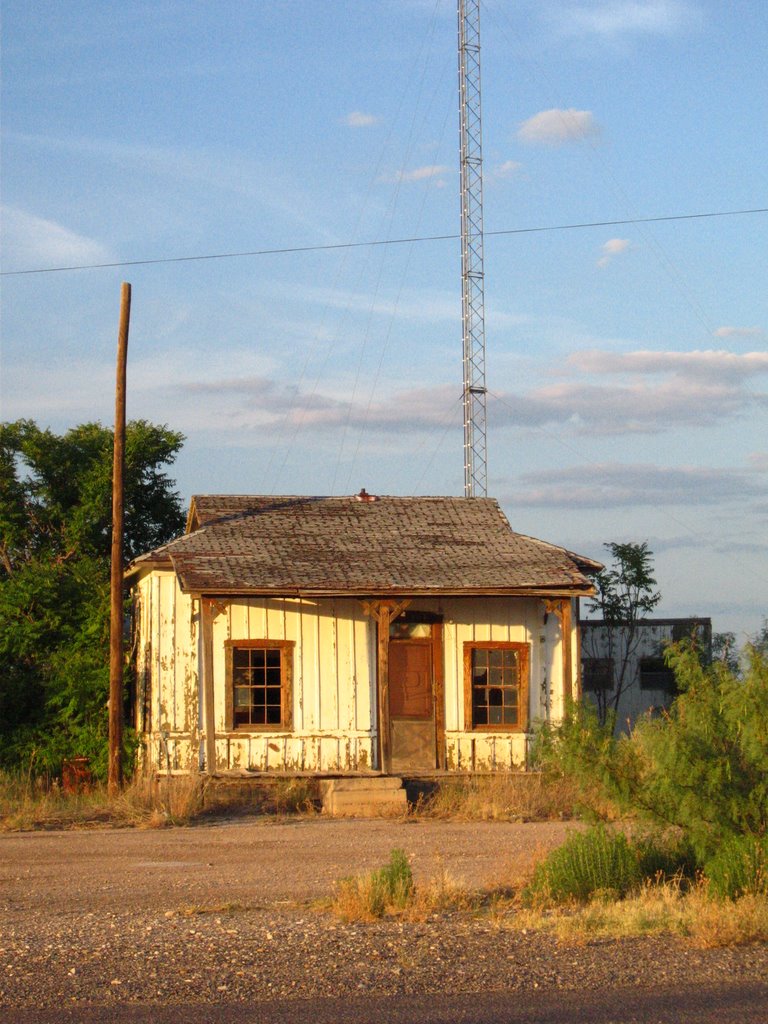
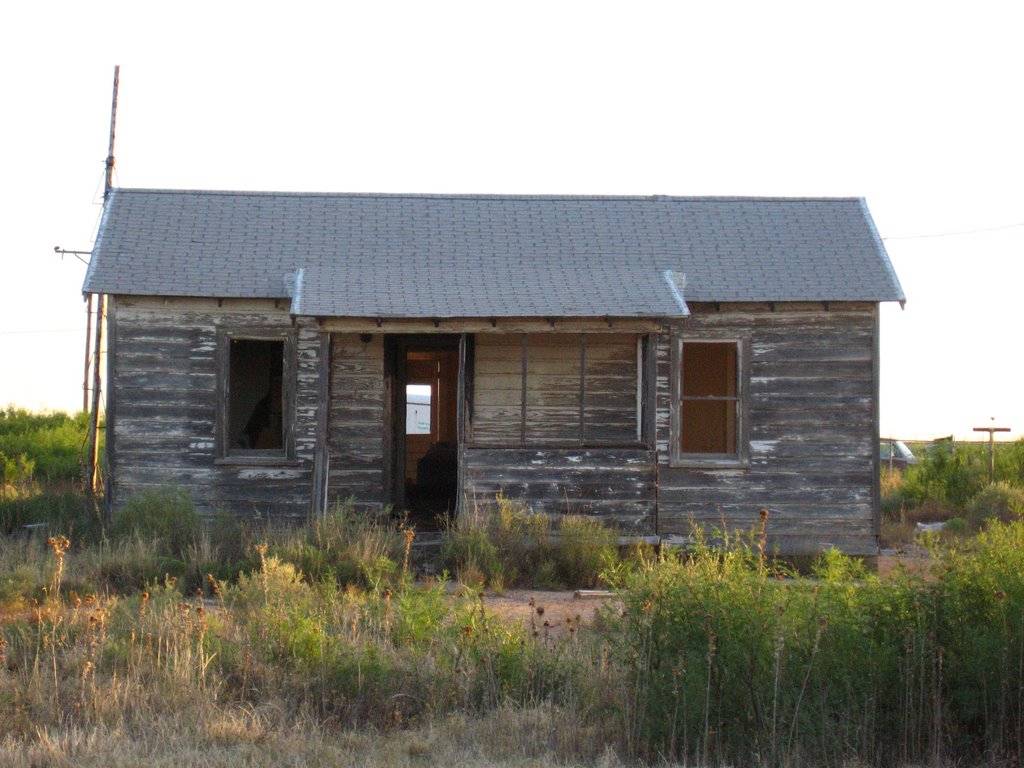
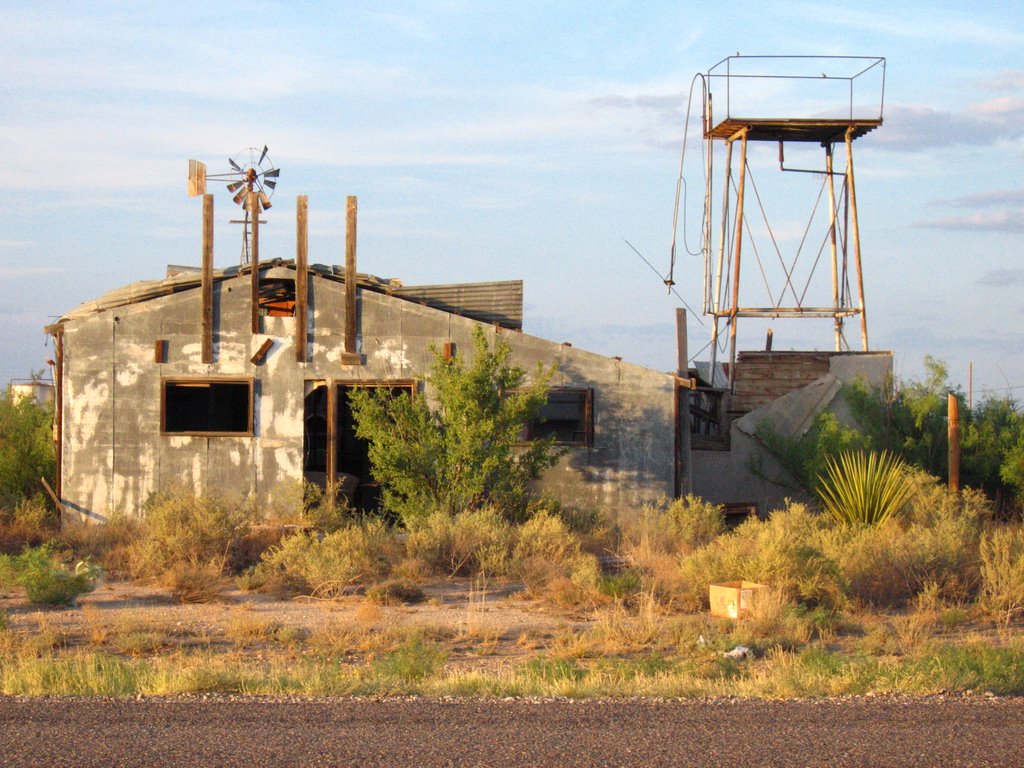
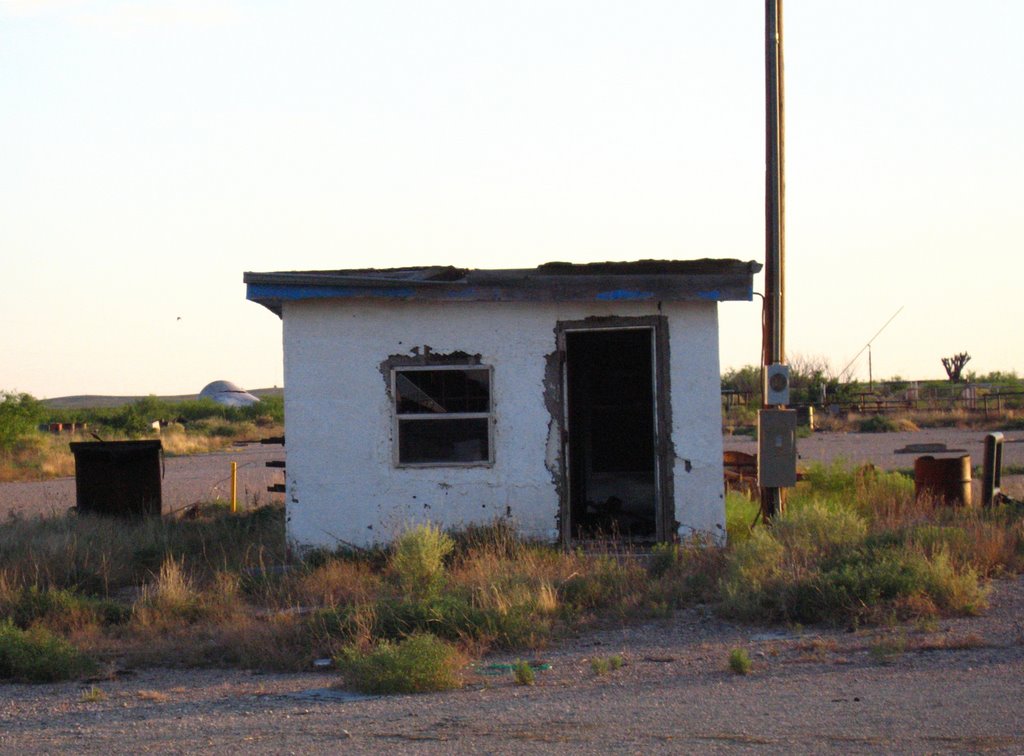
    What I wasn't prepared for: how typical Orla is. Orla's only notable for its concentration of empty buildings.

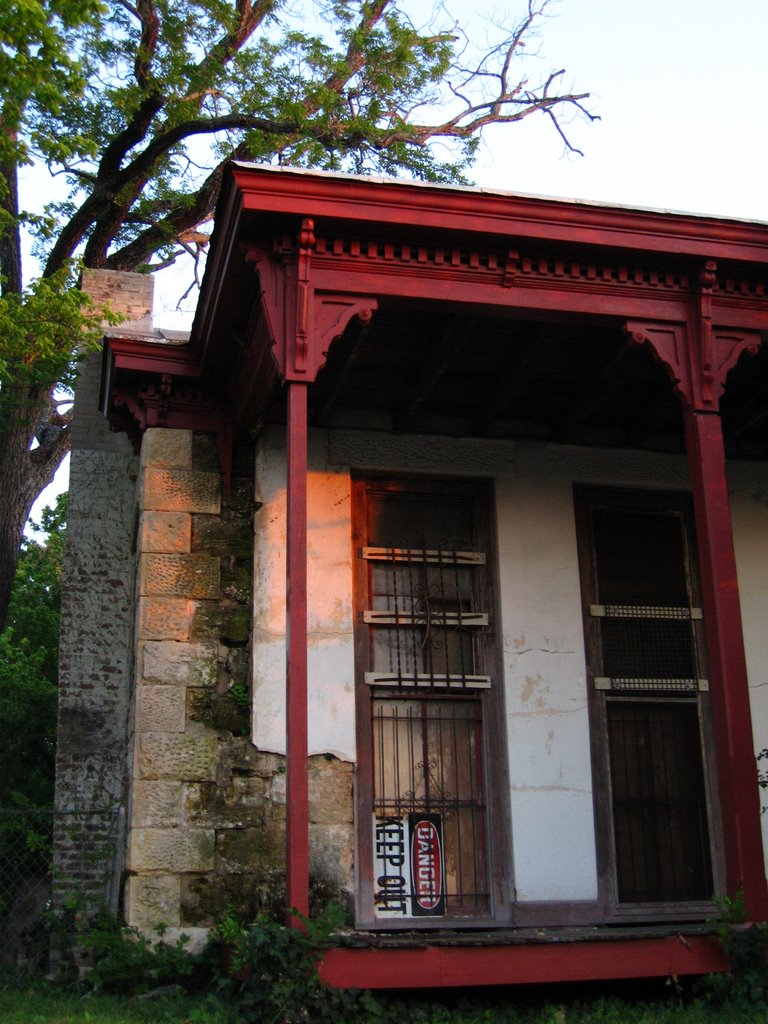
    Abandoned, collapsing buildings pop up everywhere along the rural roads of west Texas. Perhaps they were abandoned, then collapsed; perhaps they collapsed and then were abandoned. The only ones who can say are no longer here.


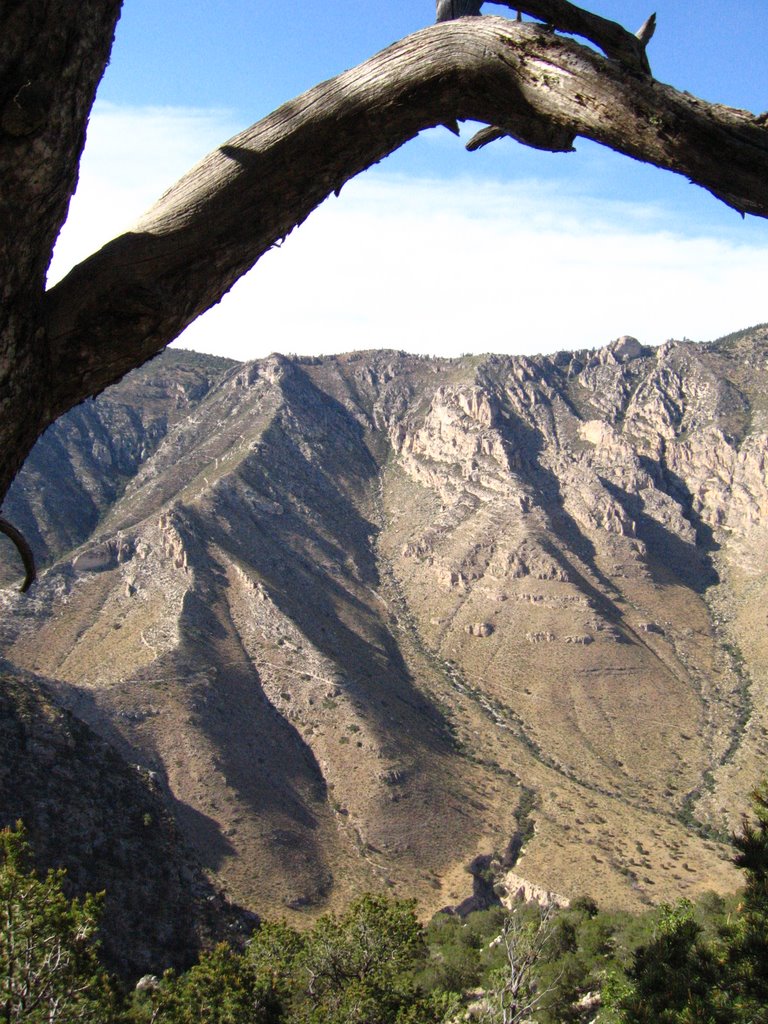
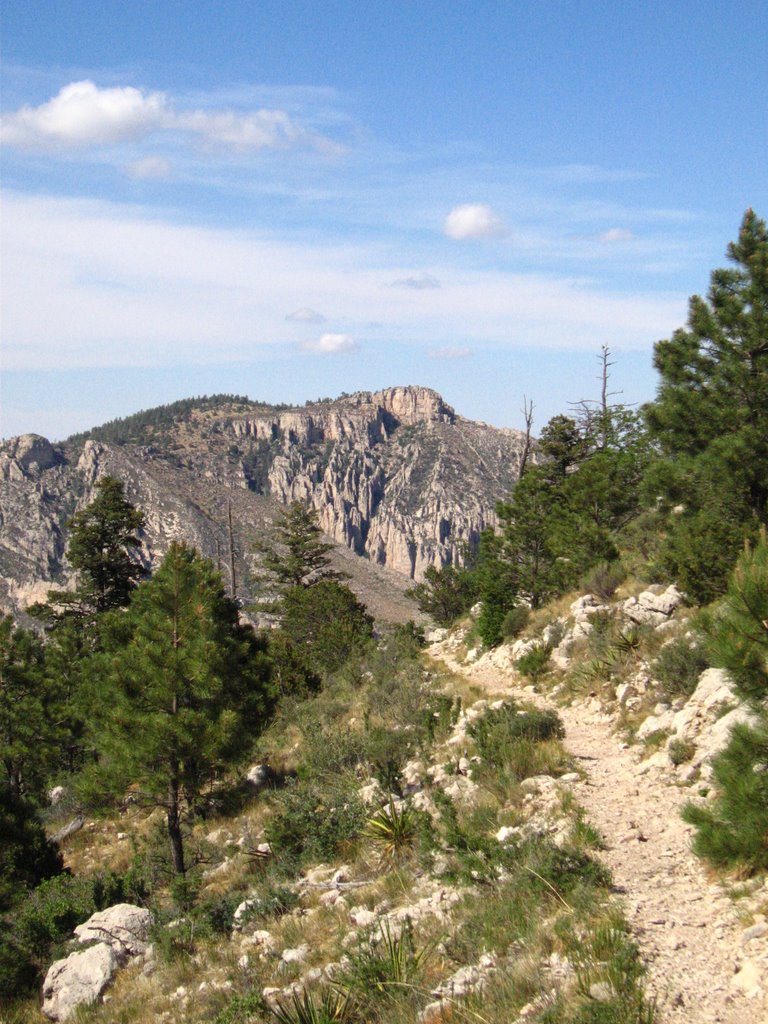
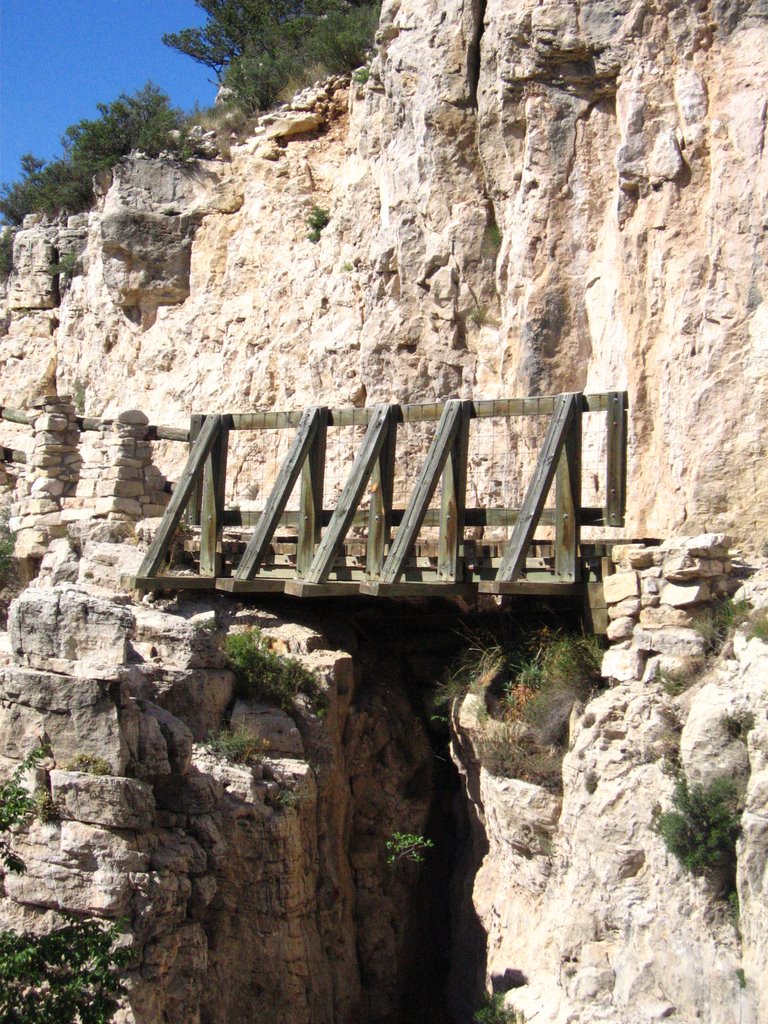
    Guadalupe Mountains National Park


    Wednesday, June 14, 2006

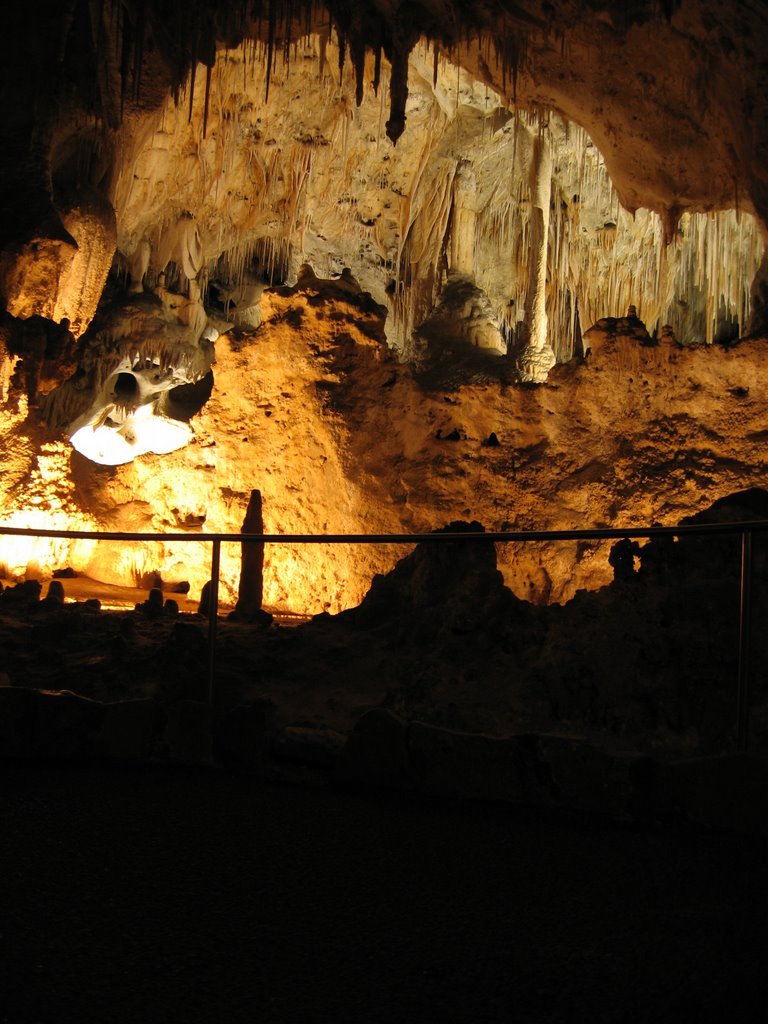
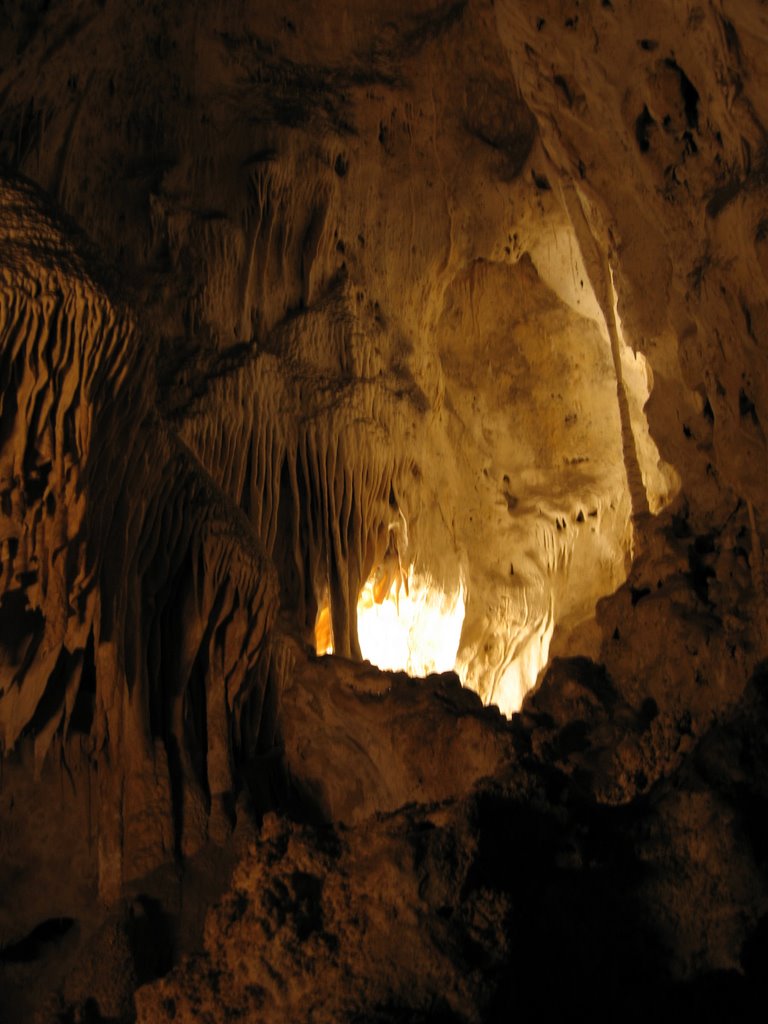
    Carlsbad Caverns National Park

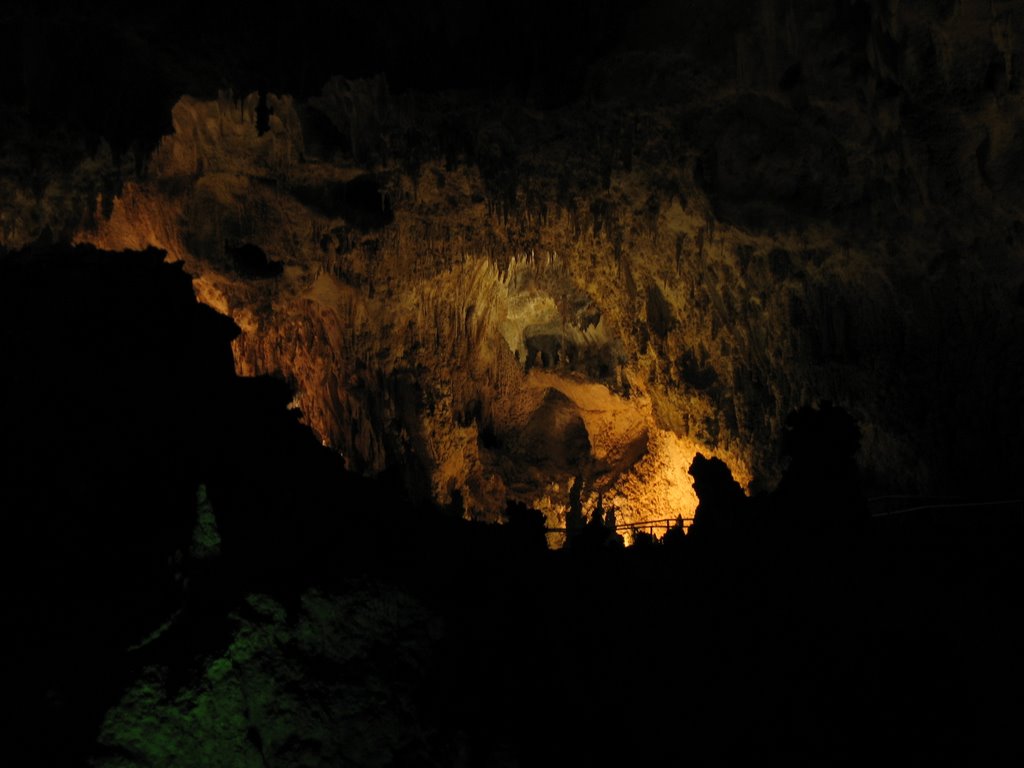
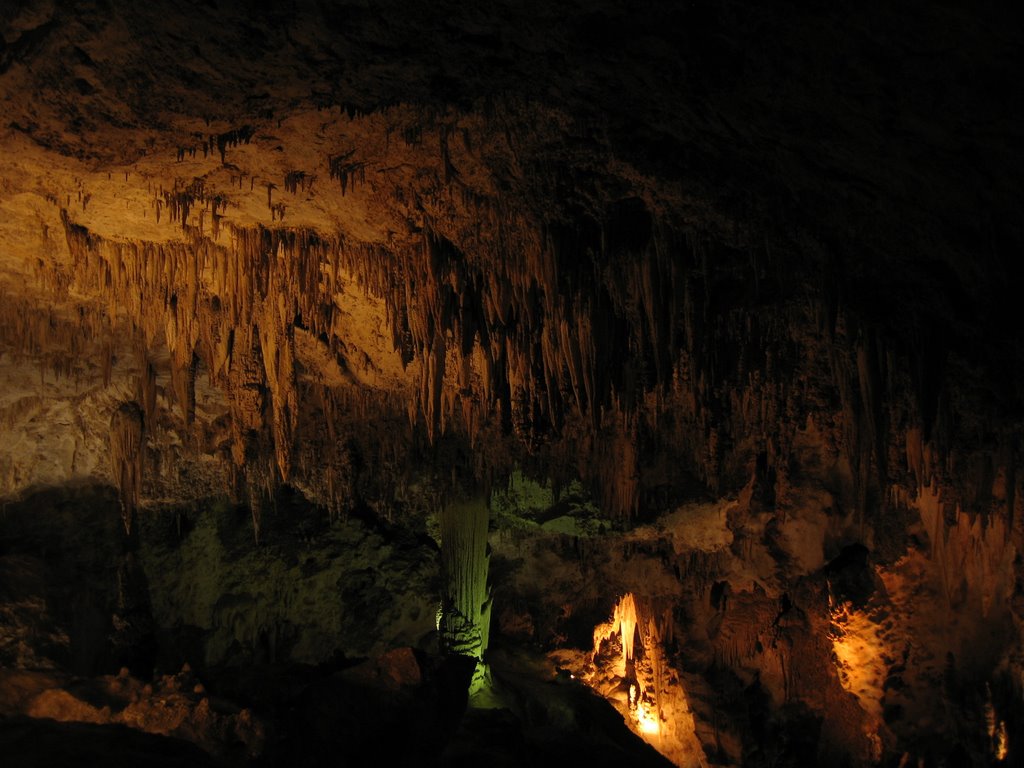
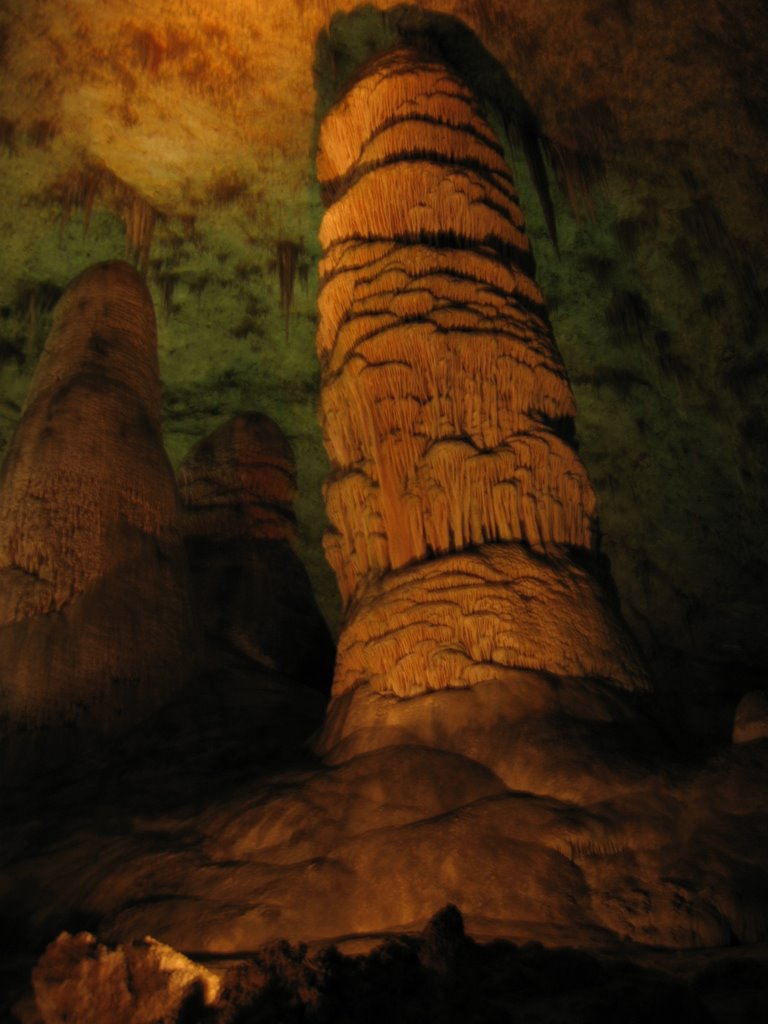
    This is the image I've had of the entrance to Carlsbad Caverns since I was, well, able to imagine the same thing again and again: a massive, Disneyland-scale parking lot, with the heat distorting the light 10 or 14 feet in the air; a sheer, grey-brown cliff; a huge opening at the base of the cliff, like two arcs joined at their base, the same way you might outline an eye.

    In actuality you park on top of the mountain, not at the base, and even though it can get hot, there's a bit of a breeze. The hills are brown, though, at least in early June, and the grasshoppers while like ungreased machinery.

    Now that I've been to Carlsbad, that old picture isn't going away. Instead, it now coexists with my image of the real place because, in my memory, they are equally real.


    Tuesday, June 13, 2006

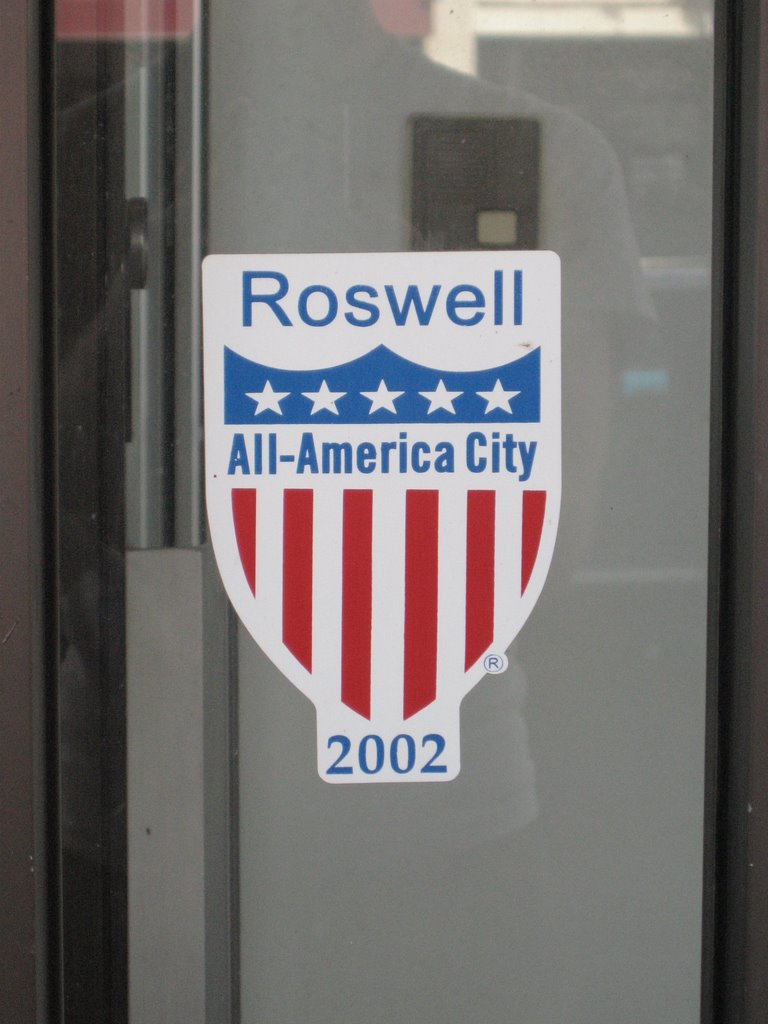
    Roswell, New Mexico

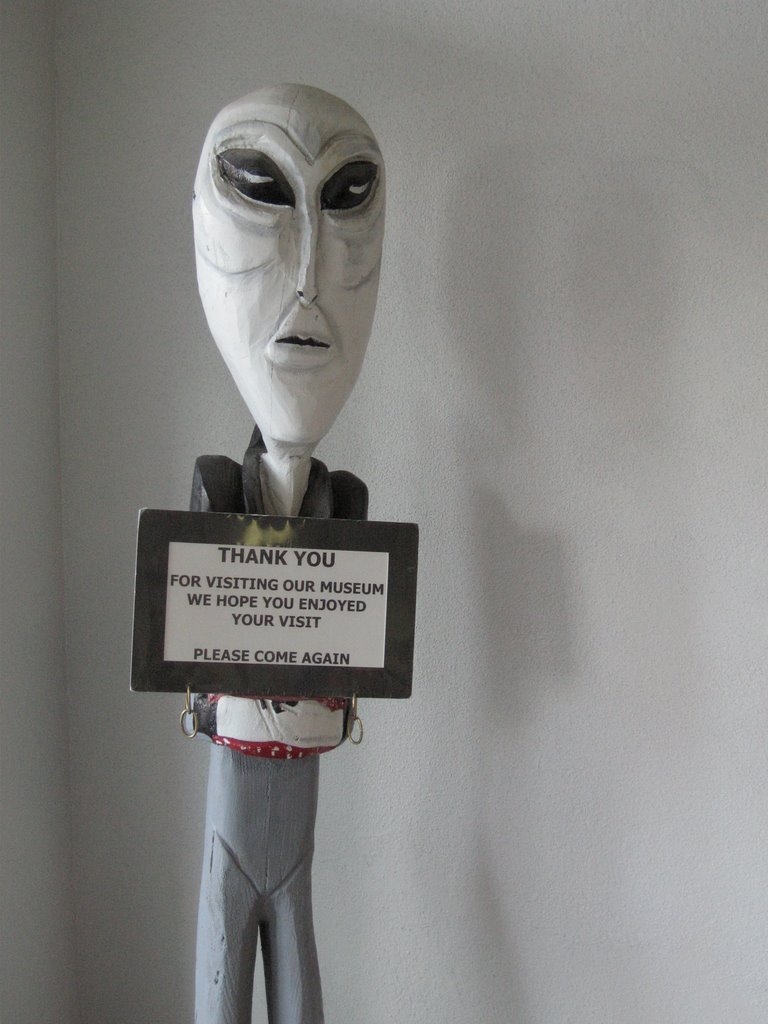
    At the UFO Museum and Research Center, the woman at the desk sees me write "San Francisco" in the guest register.

    "So you're from San Francisco," she says. She is older and move as if any motion could break a bone.

    I tell her I am. She looks around to see if anyone is paying attention, then leans in to me. "You know what the truckers call San Francisco, don't you?"

    I don't, but I'd be interested to hear it.

    "The Gay Bay," she says, smiling broadly and then sitting back.

    I had never heard that one before.

    My favorite part of the UFO museum—other than the inclusion of bigfoot as an alien with absolutely no citation or reference whatsoever—is the graffiti on the wall of the men's bathroom. There's this wonderful optimistic quality to it that I can't really describe:

    AUSTIN, TX believes '68

    *

    WE ARE THE ALIENS

    *

    God will protect us from the aliens
    and "aliens" has been scratched out, so it actually reads:

    God will protect us from the aliens
    They're not aliens!

    *

    They may have "created" Jesus

    *

    DONALD HARRISON
    FMGT, NM
    WE ARE NOT ALONE
    666 NATIONAL ID ACT

    Despite all the UFO kitsch (and complimentary government mistrust), Roswell's still a conservative small town. The one coffee house closes at 5:301 and has a petition for "Ten Commandments Day" on the counter. The bike shop has closed, and the library is a beautiful space with few books. The most happening place on a Friday night seems to be the parking lot at the Walmart.

    Outwardly, the town's identity is built on the UFO fans who come from near and far just to be near the crash site.2 But except for the museum, it's all kitsch, even for UFO enthusiasts. Does anyone go in the gallery of black light UFO art seriously?

    I don't think that's even possible.


    1 Except for Friday, when it closes at 5:30 and reopens at 6, and closes again at 9.

    2 Footnote only because I am unsure whether to put quotations marks around "crash."